In this dog-eat-dog society, knowing how to coordinate outfits and do makeup isn't enough. Furthermore, in a wide variety of work environments, the skill requirements for stylists are growing higher and higher. Academies must also arrange their curriculum according to the pace of the times.
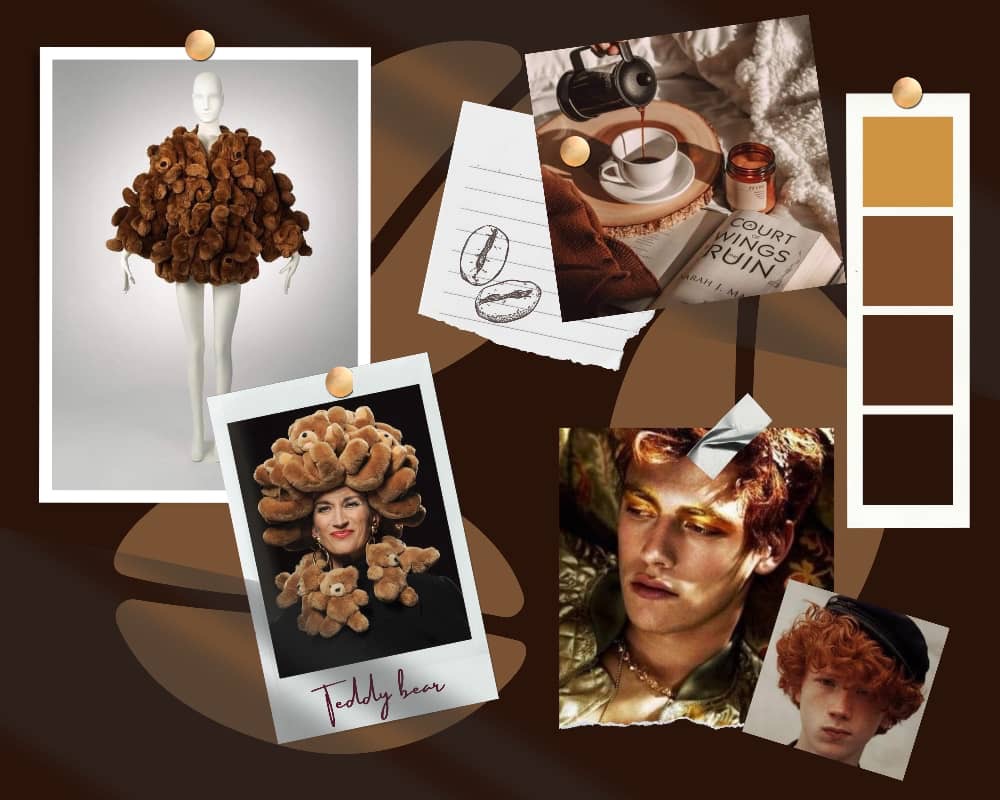
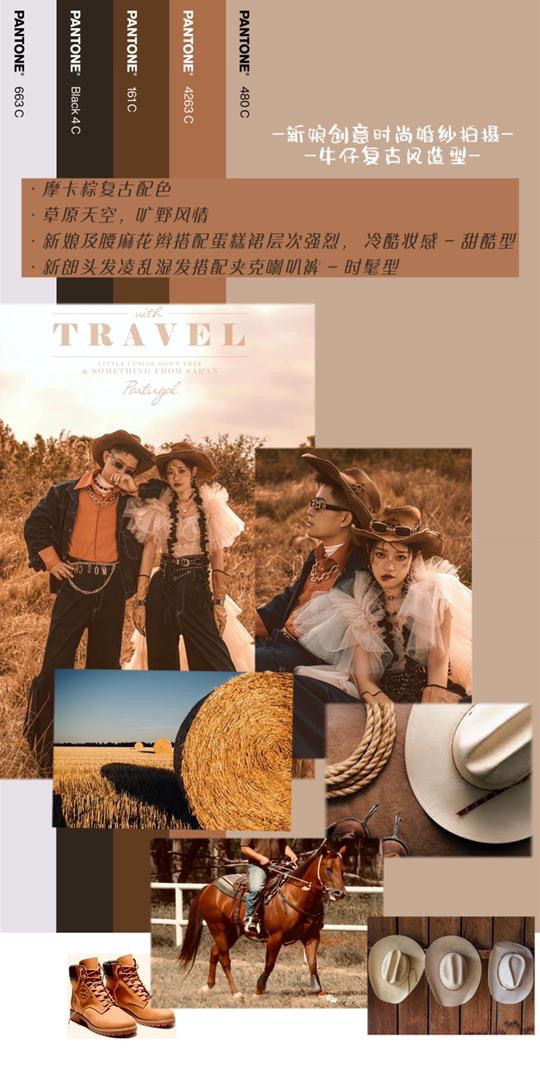
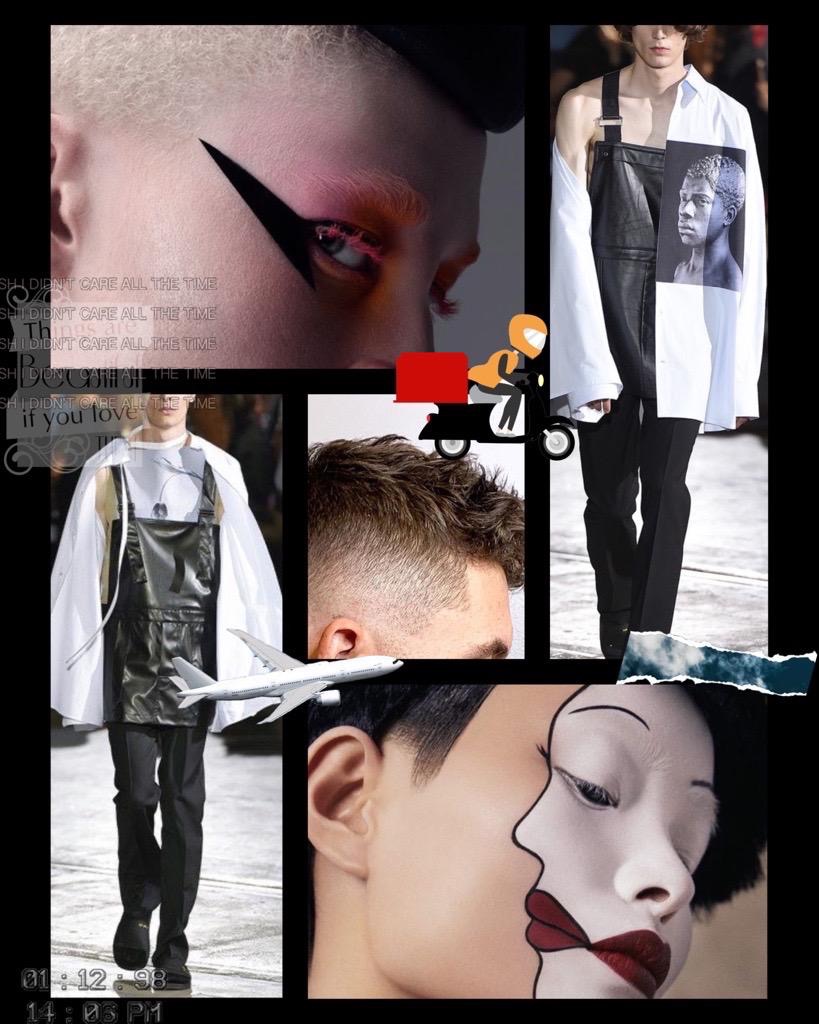
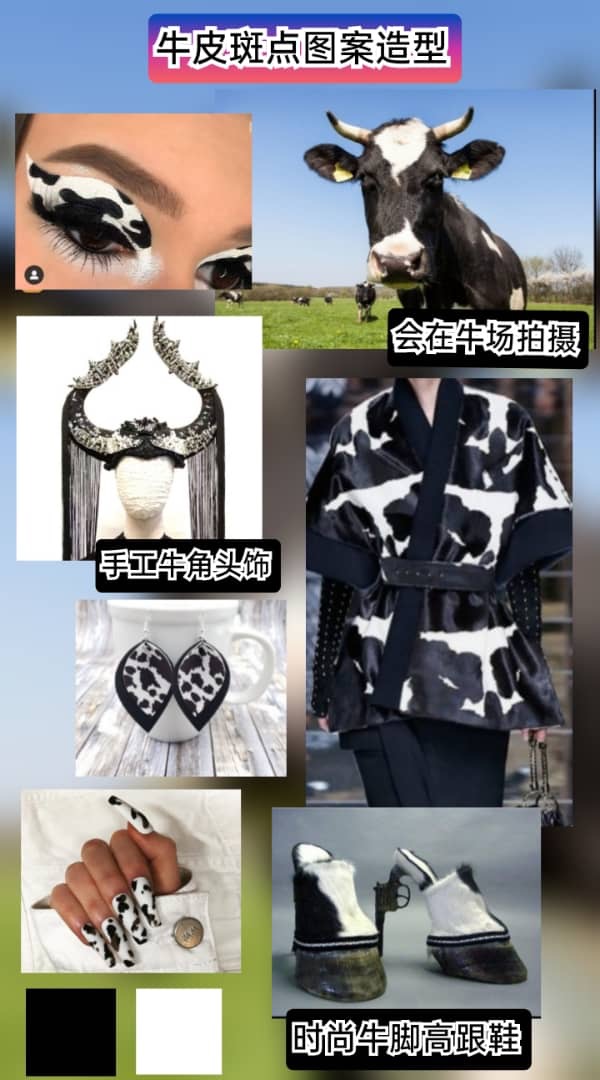
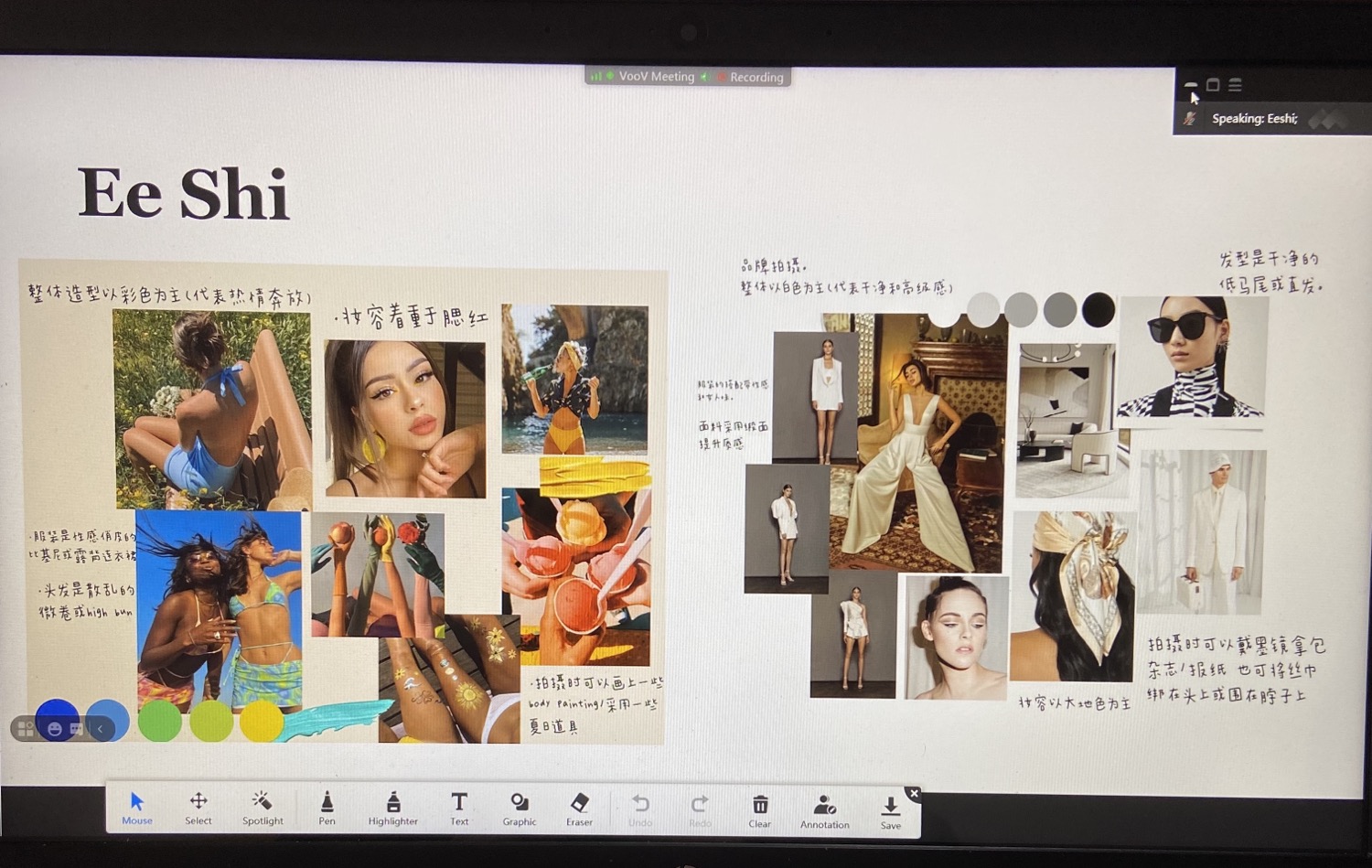
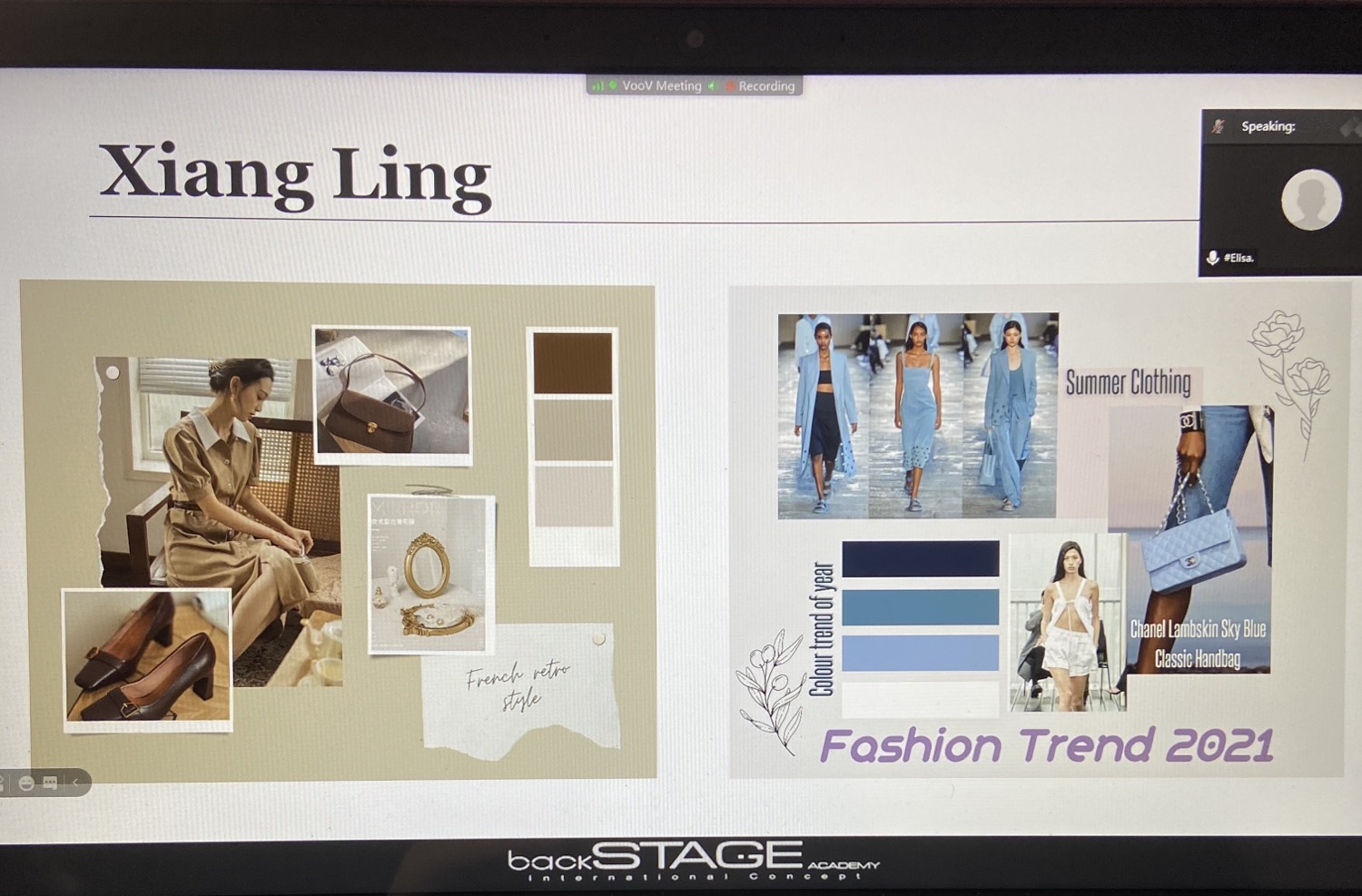
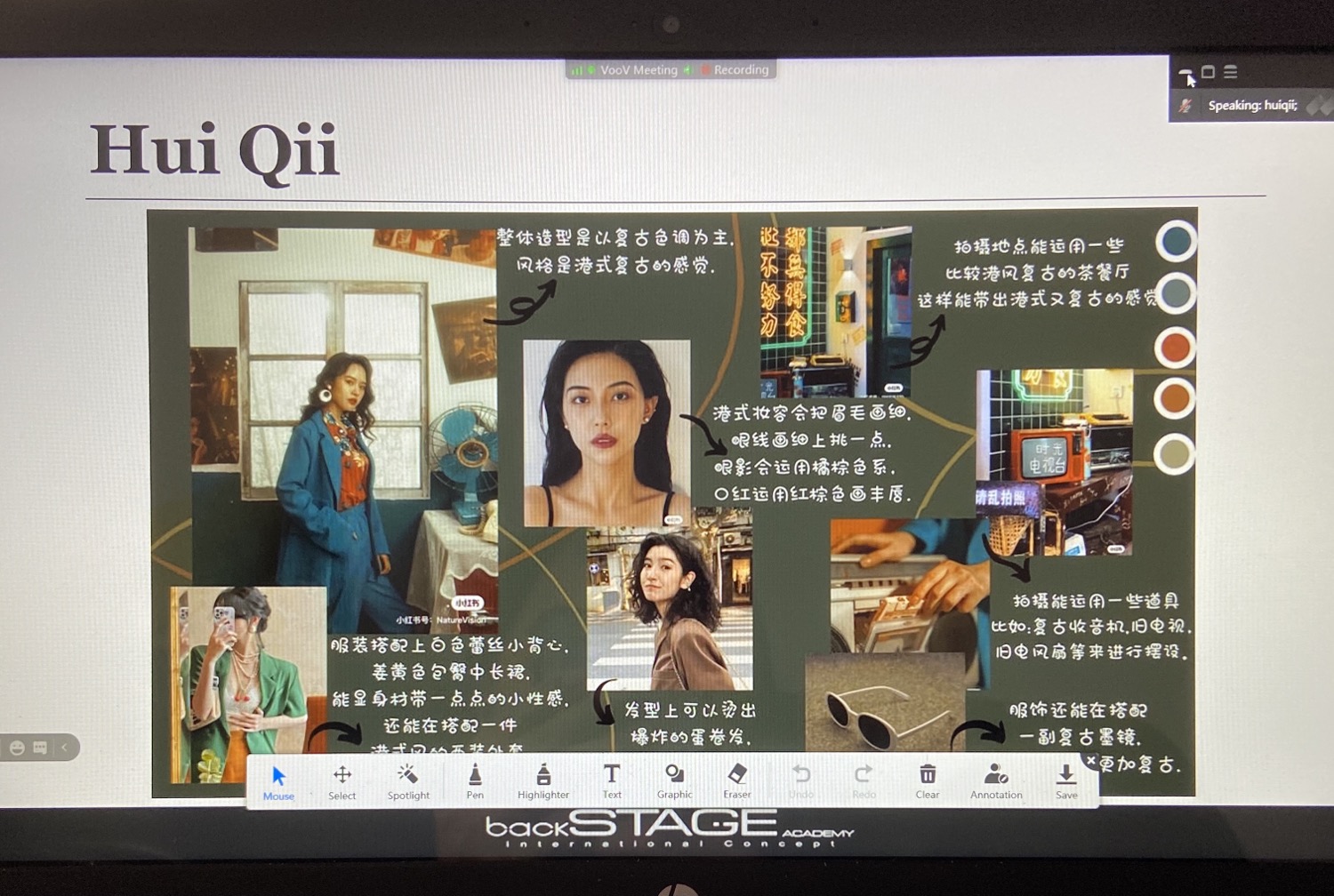
Previously, we would ask photographers to provide mood boards, which are emotional boards for photographic works, expressing the overall emotions, color tones, and feelings of the work. However, as a makeup artist and stylist, we can no longer stick to the same old ways and need to learn how to create mood boards to provide to clients, so they know what looks you will design for them.
During this period of remote learning, the academy has introduced a design mood board that wasn't previously available. The goal is to cultivate students' sensitivity towards overall styling design, its intended impact, and their ability to express it. After each assignment, students are required to prepare their own presentations.
From the shooting assignment given by the teacher, students need to imagine suitable theme ideas, how to find materials, patterns, costume ideas, accessory pairings, shooting backgrounds, main color palettes, and other preparations. Then, combine these materials to create a mood board for this styling.
After all, it was their first time encountering mood board design. Out of fear of making mistakes and doing too much wrong, most students were quite conservative in their styling and the overall mood board design during their first assignment. This was all to be expected. However, it was gratifying to see their ideas become increasingly in-depth and daring, as they gradually became less fearful of making mistakes, and their assignments improved with each iteration. There were many pleasant surprises for the teacher!
Perhaps you might say that learning makeup online is unproductive. However, it is helpful for developing mindset, sparking creativity, training sensitivity to fashion and styling, and improving presentation skills. With students having more time at home, the school's assignments naturally focus on developing students' research and survey skills for a single project, leading to the ideation and expression of their own unique looks. The more they see and the more they do, the broader their horizons naturally become. Students precisely need these active ideas to be more adaptable in real-world work situations in the future, as they are constantly exposed to this type of information during home-based learning.
Add presenting one's work to everyone in online class meetings, treating everyone in the classroom as a customer and a team member, and clearly expressing the design concepts of one's work. It's normal for some students to mumble, use awkward phrasing, or lack confidence in their first presentation; no one is a born speaker. With each subsequent presentation, students show progress and dedication, moving from needing extensive notes to confidently speaking directly about their work while looking at it. We believe the ability to express oneself publicly can be cultivated, which is a principle the school has always upheld.