
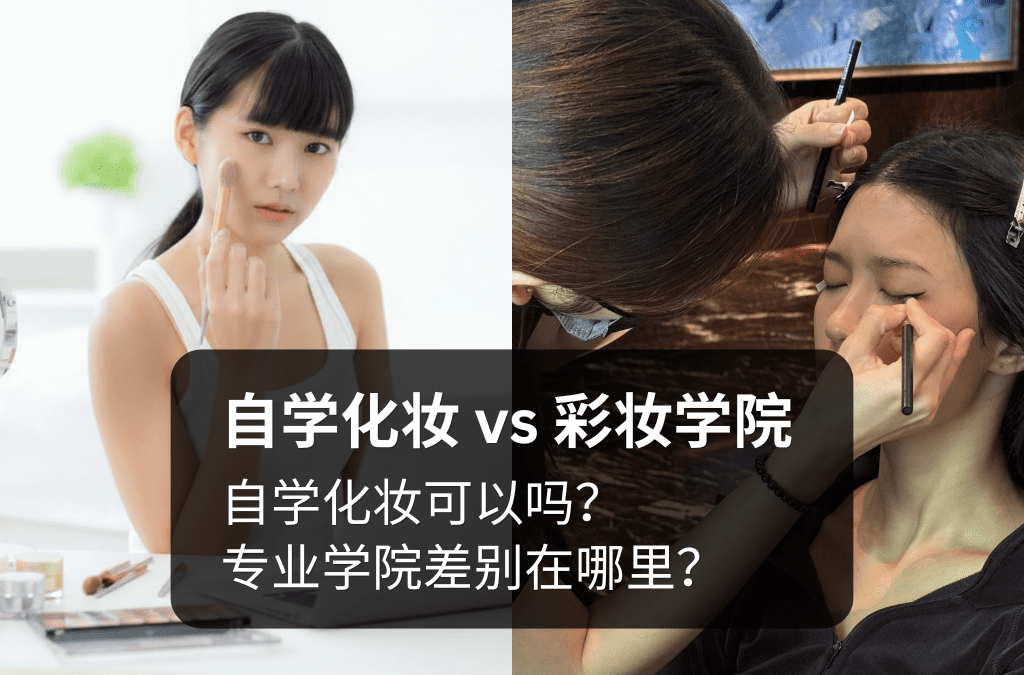
When many people start getting interested in makeup, they ask the same question: “Self-taught Makeup vs. Makeup Academy: Can I teach myself makeup? Or should I go to makeup school?”
This question doesn't have an absolute right or wrong answer, but there are very clear differences. This choice becomes even more important, especially when you've already started seriously considering your future direction, want to become a professional makeup artist, or want to turn your hobby into a career.
This article will give you a clear understanding in the most authentic and neutral way. Self-study 和 Professional Makeup Academy the differences, so you know which way is better for you.
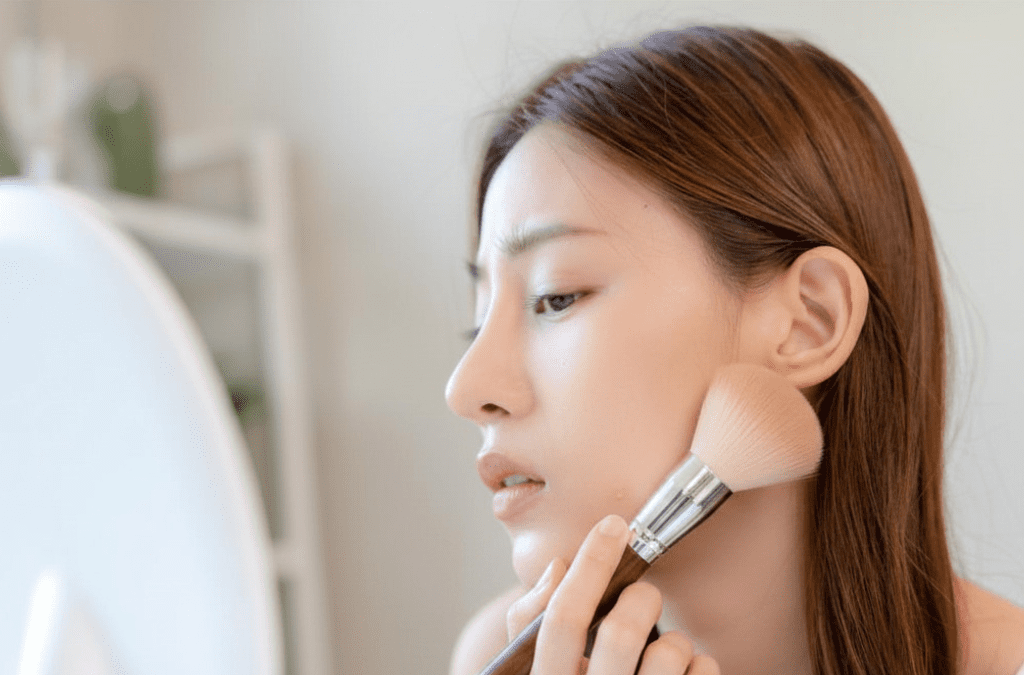
Self-taught makeup: free, cheap, but easy to get stuck
The greatest advantage of self-study is freedom. You can decide your own learning speed, style, and schedule, and you don't need to invest too much money at once.
Many people start learning makeup from YouTube, TikTok, and IG Reels, and that's completely fine. But when you reach a certain level, you'll find that:
- The video teaches “techniques,” not a “system.”
- Each teacher's approach is different, making it easy to get more confused as you learn.
- Understanding it doesn't mean you can do it.
- I don't know where I'm making mistakes when I practice by myself.
- No one is helping you correct your technique.
- The work feels like it's “almost there” but I don't know what the problem is.
The most common situation is: I'm halfway through self-studying and I'm starting to get stuck.
Especially when aiming to turn a hobby into a profession, self-study often fails to provide:
- Makeup application under professional lighting
- Practical experience for different skin types and face shapes
- Real Customer Communication Skills
- Portfolio Guidance
- Industry Rules and Quotation Methods
- On-site workflow
- Teamwork experience
These are things that movies can't teach you.
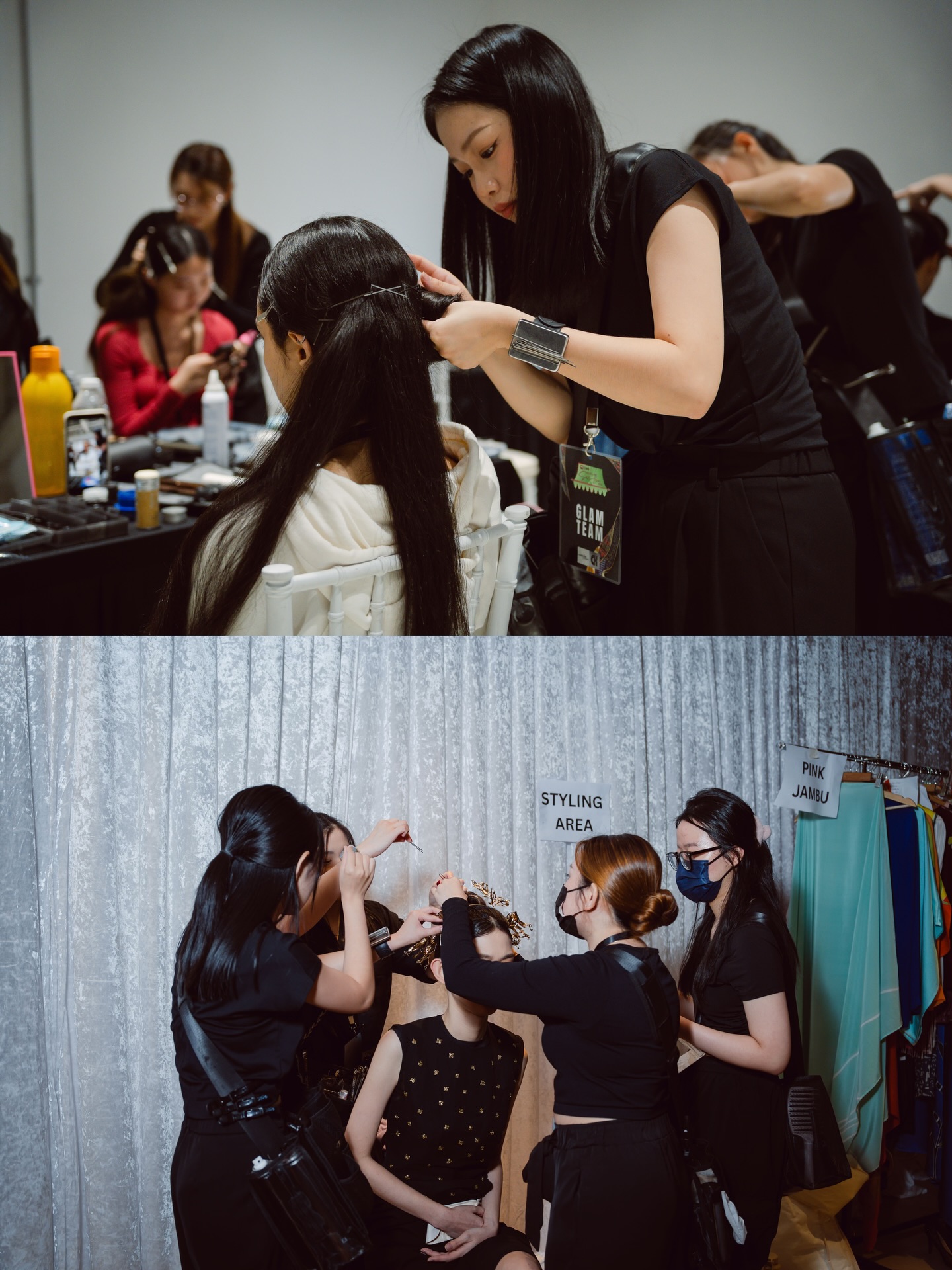
Makeup Academy: Systematic Learning, Professional Guidance, Real Experience
The value of a professional makeup academy isn't just “teaching you how to apply makeup.” The real difference lies in:
It provides you with a complete system, giving you a clear path from zero foundation to professional makeup artist.
At the academy, you will get:
- Correct basic techniques
- Systematic Course (from Basic to Advanced)
- The mentor immediately corrects your mistakes.
- Practical exercises for different face shapes, skin tones, and skin types
- Portfolio Shooting and Guidance
- Real-world opportunities for events, film crews, and stage productions.
- Industry knowledge, quoting methods, customer communication skills
- Future Career Path Planning
These are things that self-study cannot provide.
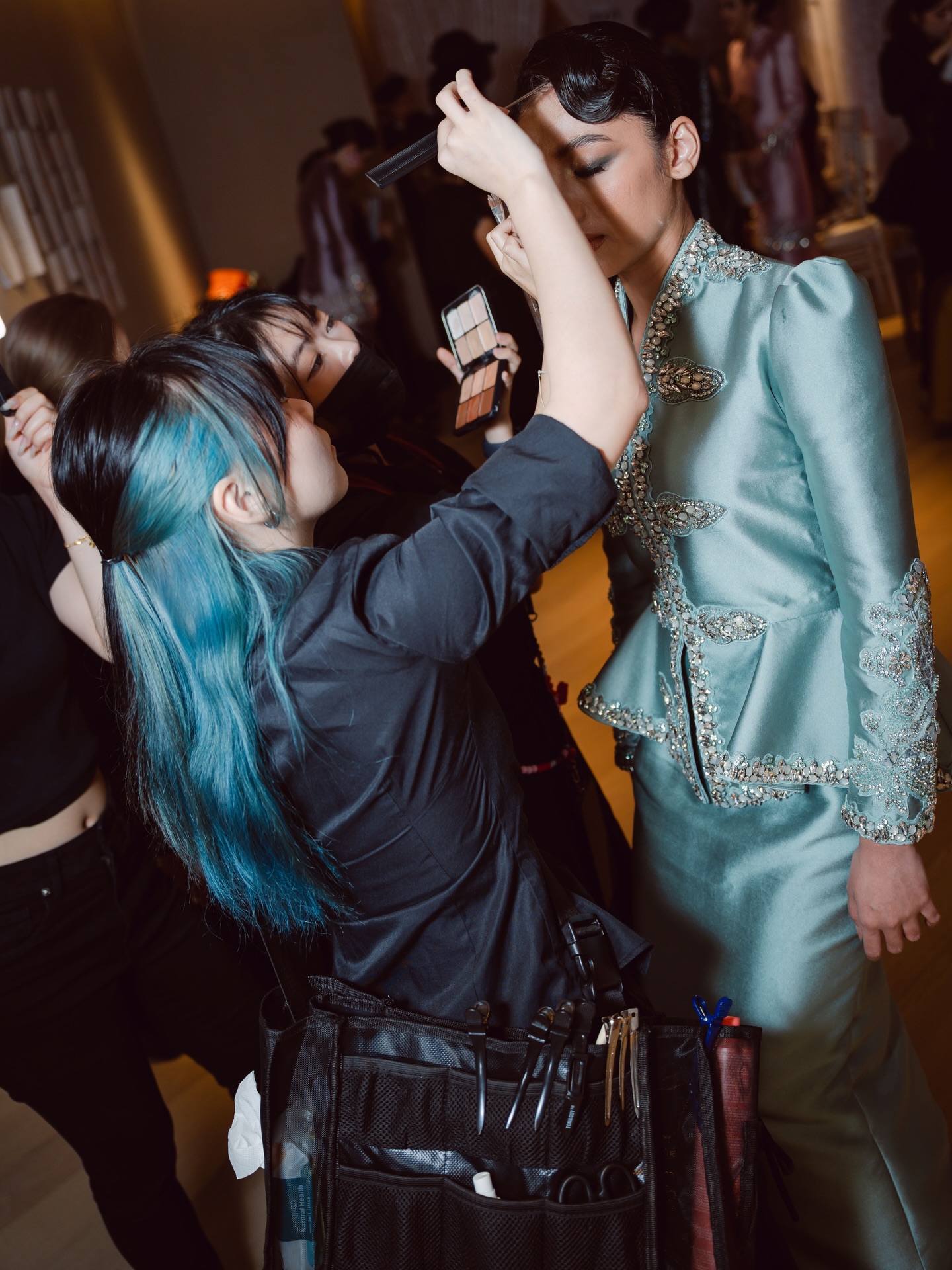
Especially “Combat experience”is the most important skill for a professional makeup artist. Backstage students can participate before graduation:
- Stage makeup and hair
- Filming a movie/TV show
- Event styling
- Brand collaboration
- Genuine customer service
These experiences will directly affect whether you can successfully enter the industry in the future.
Self-study vs. Makeup Academy: Where's the Real Difference?
If you were to summarize the difference between self-study and makeup academies in one sentence, it would be: Self-study is suitable for those with an interest, while makeup academies are for those who want to pursue it professionally.
System
Self-study can indeed get you started, foster your interest, and help you practice basic skills. You can follow videos to learn eyeshadow, base makeup, and contouring, slowly discovering your own style. However, when you want to move from “hobby” to “professional,” you'll find that self-study reaches a point where progress stagnates. You know where you're not doing well but don't know how to fix it; you understand the instructor's techniques but can't achieve the same results; you want to improve but no one tells you what the next step is.
Guidance
The value of a professional makeup academy is evident here. An academy doesn't just teach you “makeup techniques”; it provides you with a complete learning system that gives you a clear direction from zero foundation to becoming a professional makeup artist. Under the guidance of instructors, you will establish correct fundamental techniques, understand why certain methods are used and others are not, and practice on models with different face shapes, skin types, and complexions to accumulate real practical experience.
3. Practical Application
More importantly, the academy will immerse you in real-world work environments. You'll participate in events, stage plays, photo shoots, and brand collaborations, learning how to apply makeup under pressure, communicate with clients, handle unexpected situations, and achieve the best results within a limited time. These experiences will directly impact your ability to secure future jobs and gain industry recognition.
4. Portfolio
The portfolio is also the part that is difficult to do on your own. The academy will help you with shooting, guidance, and revisions, making your work look professional, high-quality, and presentable. This is very crucial for those who want to enter the industry.
5. Industry Experience
Finally, there's industry experience. Self-study can teach you skills, but a good institution teaches you how to be a makeup artist. You'll learn how to give quotes, communicate with clients, manage on-site processes, collaborate with a team, and plan your career development. These are things that films can't teach and you can't figure out on your own.
So, when you ask yourself, “Can I self-teach?”, the answer is definitely yes. But if you ask, “Can self-teaching make me a professional makeup artist?”, then what you need is more than just videos and practice. You need a system, a mentor, practical experience, and a starting point to enter the industry.
So, how should I choose then?
You can ask yourself three questions:
1. Are you interested in learning, or do you want to become a makeup artist?
Interest → Self-study is possible
Career → Must attend college
Can you judge mistakes and correct your methods on your own?
If not possible -> Need supervisor
Self-study is okay too, but it will be slower.
3. Do you want to take on work, start as a freelance makeup artist, and enter the industry?
If you want → You need a portfolio + practical experience
These are not available through self-study.

Choosing how you learn is choosing your future direction.
Self-study is not wrong, and makeup academies are not the only path. The key is where you want to go.
If you just want to learn makeup and make yourself beautiful, self-study is completely sufficient. But if you want to become a professional makeup artist, want to get work, want to enter the industry, and want others to go on stage with confidence because of your makeup – what you need is systematic training, professional mentors, and real-world practical experience.
This is also the educational approach that Backstage has always adhered to: Allow students to grow on real stages, with real production crews, and in real events.
If you are thinking about future direction, Backstage Academy will be your best starting point。
Click here to contact us Learn more.
What distinguishes Backstage Academy, a makeup college in Malaysia, from other institutions?